

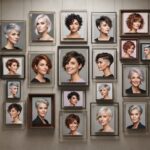
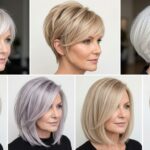

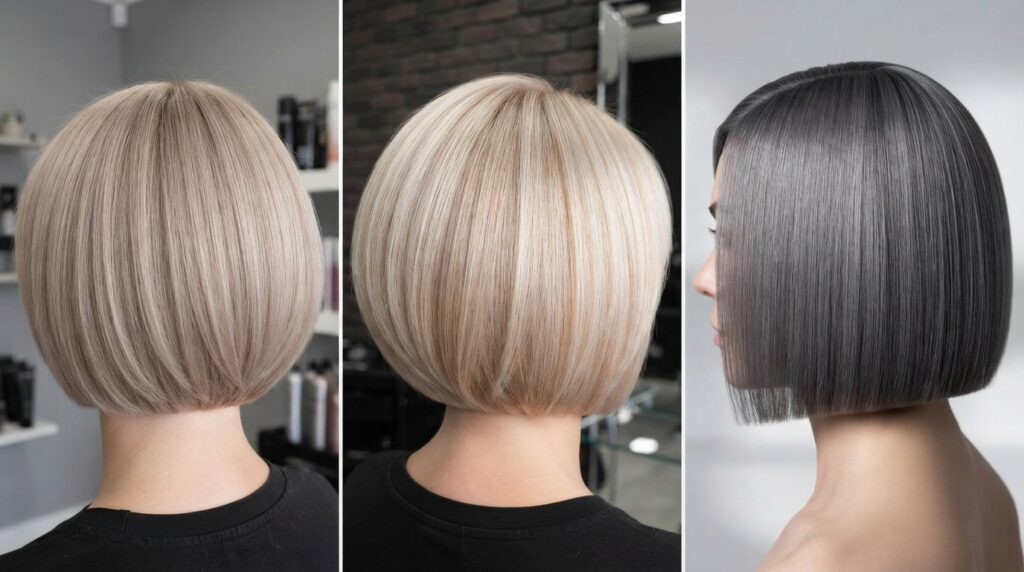
Searching for a stacked bob on fine hair usually turns up the same frustrating pattern: almost every photo shows someone with naturally thick strands making it genuinely hard to tell whether the shape would even translate to finer hair. The real trick is knowing which version of this cut actually works on fine hair versus which one falls flat by afternoon. The styles below use graduation itself to fake density not heavy product not backcombing so you can find the version that actually fits your texture.
Every cut here was chosen specifically because it creates the appearance of thicker fuller hair without relying on teasing or layers that thin out the ends. They’re grouped by the main technique each style leans on so you can find the one that matches how you actually get ready in the morning.
Side-Swept and Smooth: The Polished Stack
These styles use a deep side part and a smooth blowout to anchor a stacked back. The side-swept front keeps the cut from feeling severe while the sleek finish reflects light in a way that makes fine hair read as denser than it actually is.
1. Caramel Side-Swept Volume
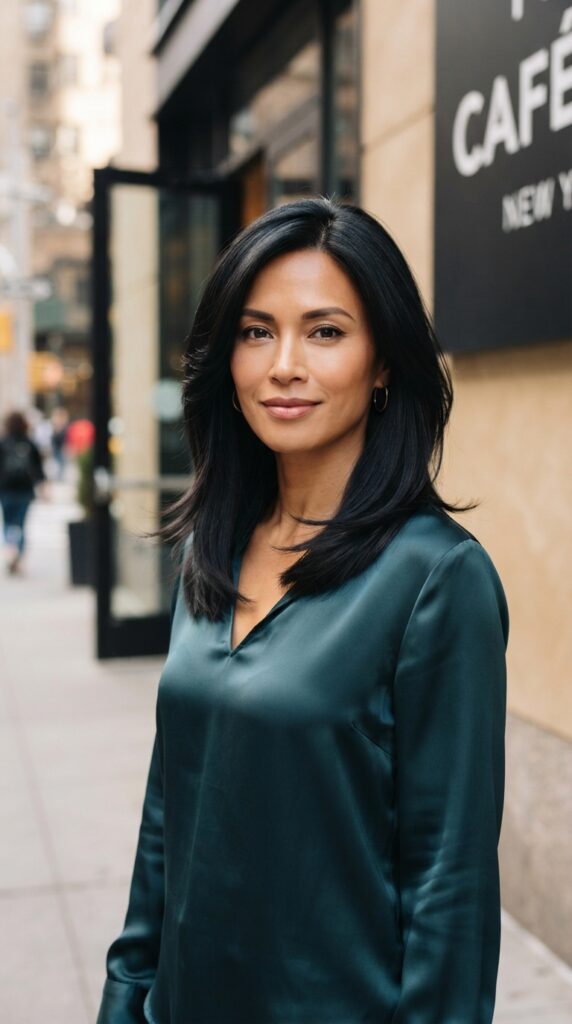
The stacked back lifts right at the occipital bone letting the crown rise naturally without any teasing involved. Longer side-swept layers soften the cheekbones and pull the eye upward away from sparser ends. A dark base with warm caramel highlights adds depth fine hair often lacks. Blow-drying downward along the side layers smooths the cuticle and locks the shape in place through the day.
2. Soft Black Sleek Shine

A high-shine finish is the star here glossy fine hair automatically reads as thicker to the eye. A side-swept section covers part of the forehead breaking up the flat panel that can appear at the front of a plain bob. The back stays compact so the shape holds through the day and a tiny dab of lightweight serum on the ends only (never near the crown) keeps everything from falling flat.
3. Deep Black Rounded Sweep

This version leans into a rounded back profile that gives fine hair a fuller dome-like shape. Ends curve under to create the illusion of a heavier perimeter and light crown volume is built directly into the cut rather than added with root spray. Switching the parting while hair is still warm from drying lifts the roots instantly without any backcombing needed.
4. Chocolate Rounded Stack
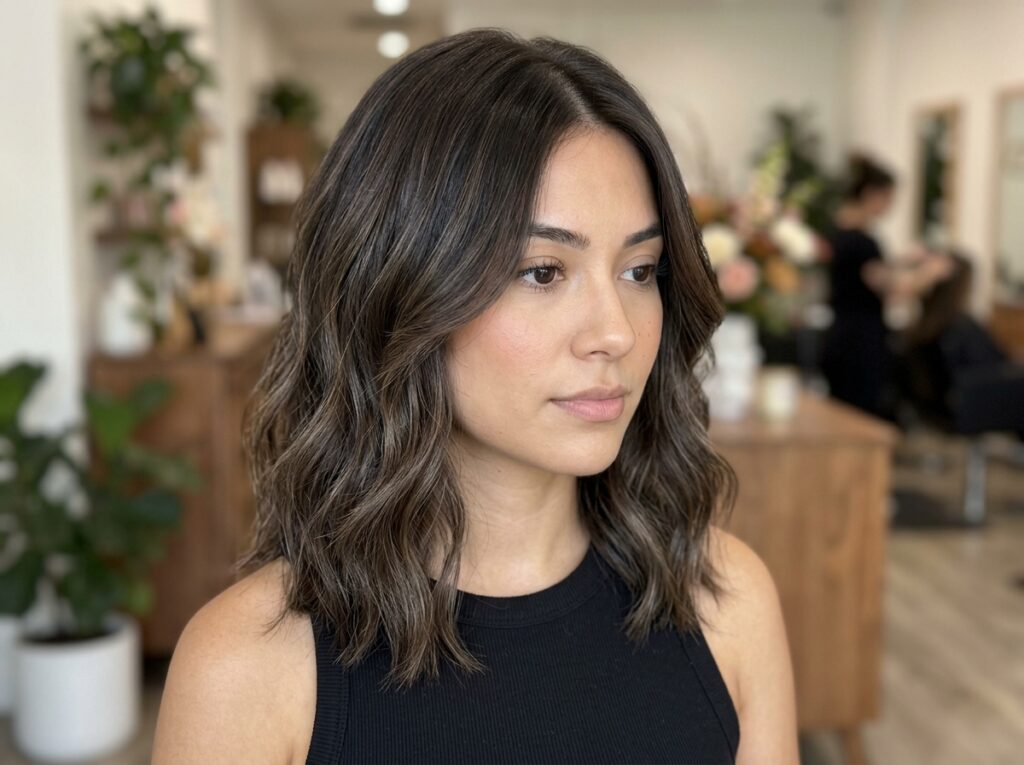
Internal layering does most of the work in this cut placed only inside the shape rather than at the surface keeping the outline solid while the hair feels lighter underneath. This matters because fine hair tends to collapse when outer layers are cut too short. A round brush rolled up and away from the nape sets the rounded shape for hours without needing hairspray.
5. Espresso Voluminous Sweep
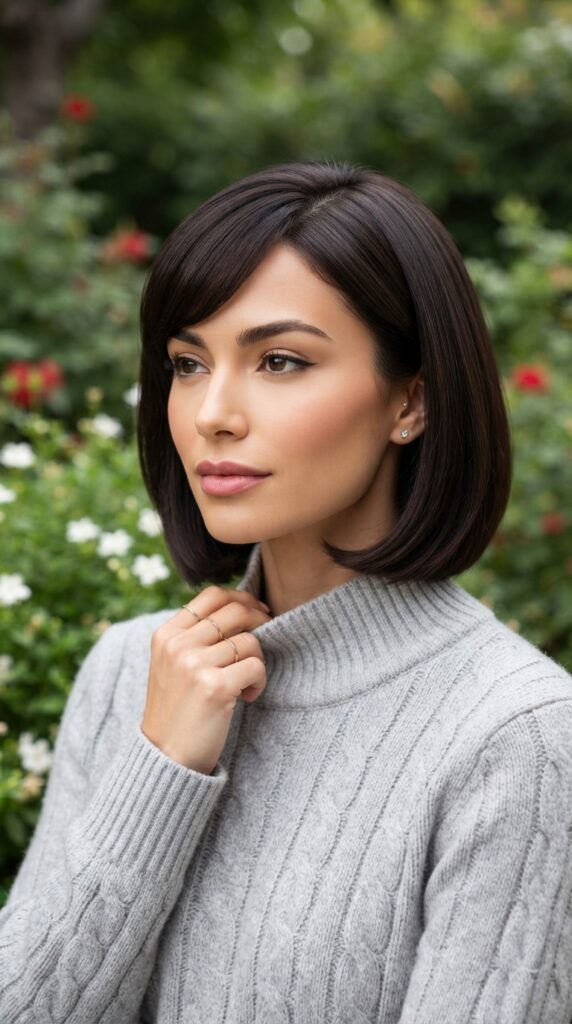
The whole crown is cut with graduation that pushes hair upward, building rounded volume without a heavy shelf effect. On fine hair, this works because the weight sits high and close to the head instead of dragging down by midday. A sea-salt spray misted on day two adds grip without the buildup that dry shampoo can leave behind.
6. Soft Black Sleek Angle
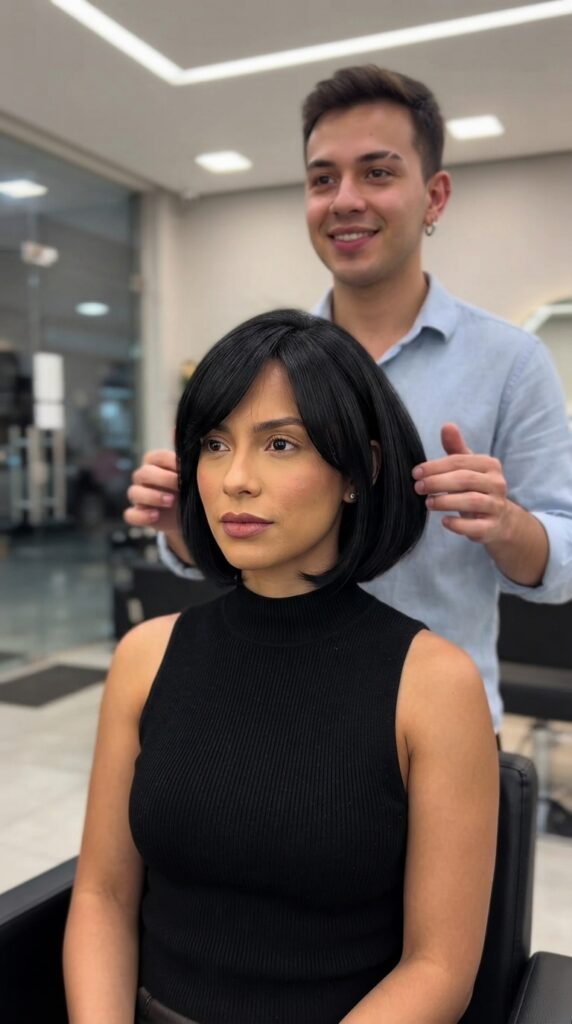
An angled front section is the real centerpiece creating asymmetry that draws the eye diagonally and makes the whole cut feel more dynamic than a uniform bob. The back stays neatly graduated with a tapered nape for a clean profile. A deep side part on fine hair builds immediate lift with no product required at all.
7. Silver Salt-and-Pepper Side Sweep
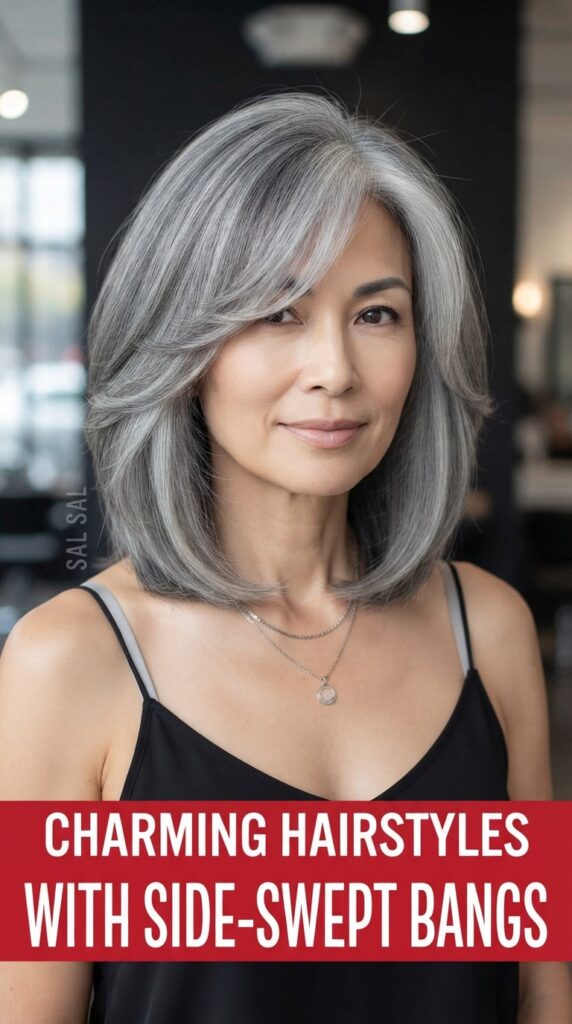
Salt-and-pepper dimension adds natural texture that keeps this cut from reading as flat and one-dimensional, which solid color often does on fine hair. Crown volume gets set during the blow-dry so the shape holds even as humidity rises. Lifting the top section with a vent brush and a short blast of cool air locks in bounce better than most mousse products can.
8. Blunt Bang Espresso Stack
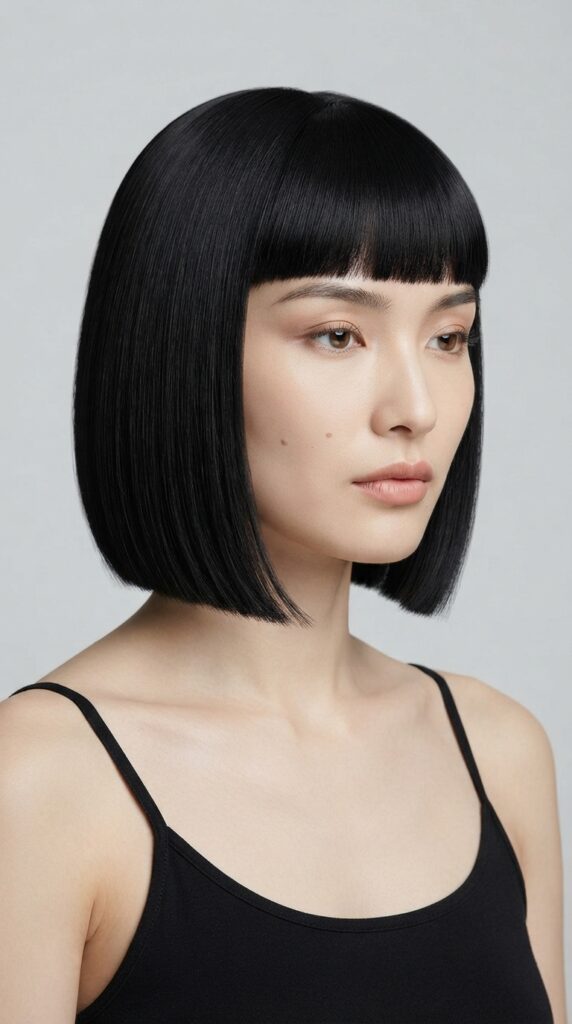
A blunt fringe on a stacked bob is genuinely tricky for fine hair but weight concentrated at the back balances things out here. The rounded crown lifts the top so bangs never sit flat against the forehead. Point-cutting into the fringe instead of using blunt scissors creates a softer more lived-in edge that still reads as intentional.
9. Copper Auburn Voluminous Sweep

A copper-auburn base with golden highlights creates a multi-tonal effect that adds visible depth making fine strands appear thicker than they are. The shortest layers sit right at the crown, building lift without sacrificing front length. Skipping conditioner at the roots (applying it only from mid-lengths down) is essential even “volumizing” formulas can weigh fine hair down within a day.
Soft, Piece-y Layers: The Feathered Side-Sweep
These styles use light piece-y texture to break up solid sections. Feathered ends give fine hair an airy feel without stripping density at the perimeter ideal if you want real movement without losing the underlying shape.
10. Warm Piece-y Crown Sweep
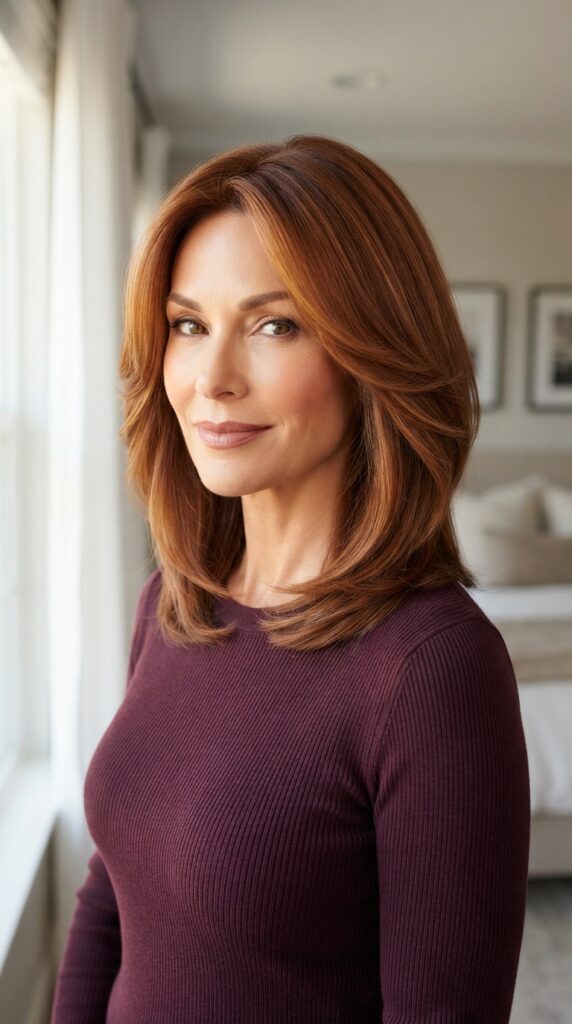
Short, piece-y sections cut into the crown create natural separation so hair doesn’t clump and go flat. Warm caramel and ash tones add dimension that catches light nicely while the back stays neatly stacked for a clean overall shape. Twisting damp sections around a finger and air-drying no brush involved creates this soft undone texture and holds longer than a full blowout would on fine hair.
11. Chestnut Piece-y Layers
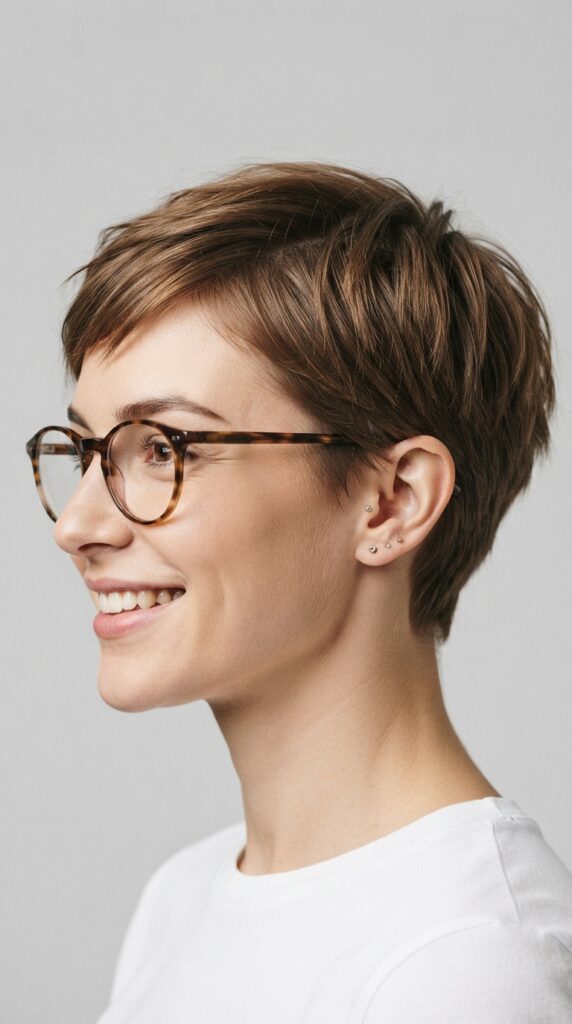
Piece-y layering concentrates around the face here creating a broken line that softens the forehead and cheeks while the back stays solid and graduated for a shape that still reads as intentional from behind. Warm honey highlights placed only on the top layers draw the eye upward and make the crown look fuller. A glossing treatment every few weeks adds shine that mimics density far better than heavy oils.
12. Silver Feathered Side Frame
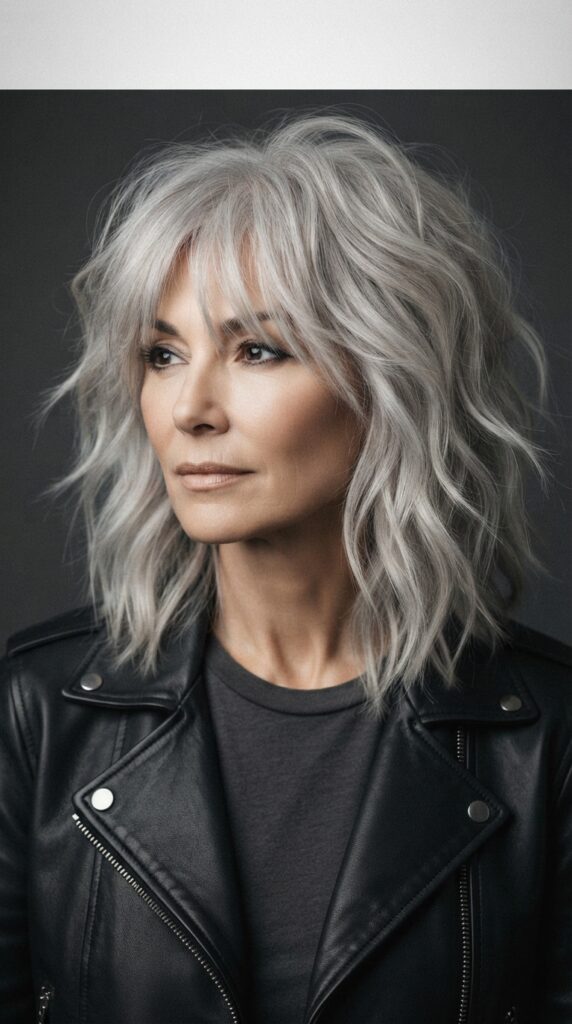
Feathered layers here are cut with a razor for an airy weightless finish. Razor work can be risky on fine hair but kept to the surface and away from the nape it adds dimension without thinning overall mass. A silver-gray tone acts as a natural brightener, since light bouncing off it makes hair look more voluminous.
13. Tousled Salt-and-Pepper Wave
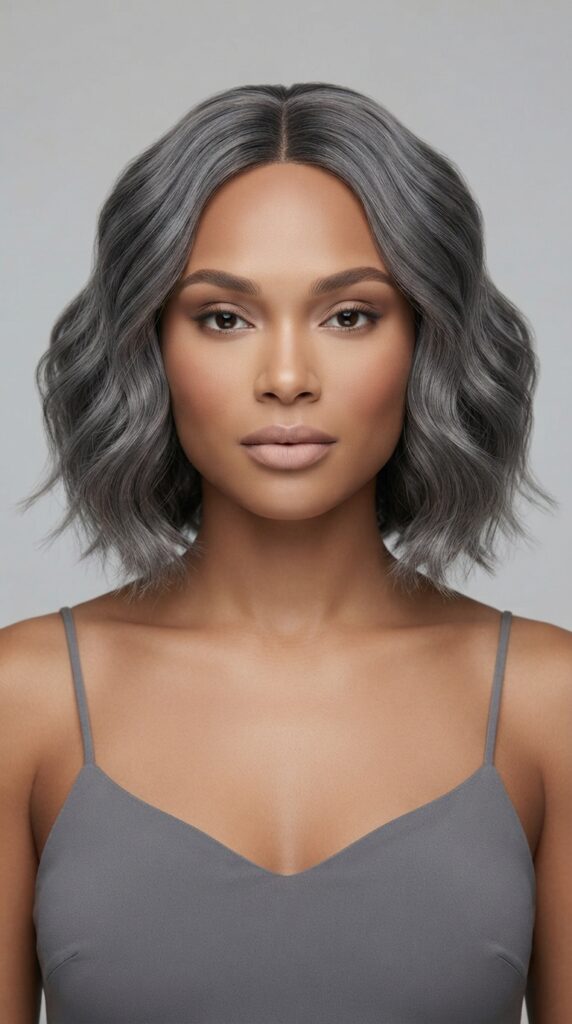
The only wavy entry on this list and it demonstrates exactly why a slight natural bend works so well on fine hair building body without any heat involved. Salt-and-pepper coloring with charcoal lowlights adds contrast so the style never looks flat in photos. On no-wash days dampening the ends and wrapping them around a foam roller for ten minutes brings curls back without touching a wand.
14. Icy Blonde Feathered Frame
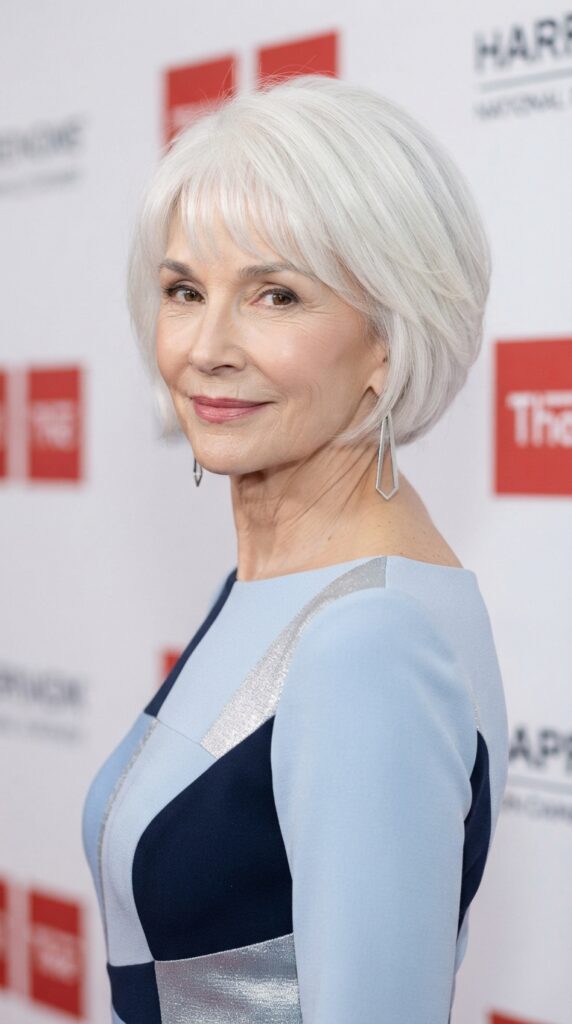
An icy blonde palette gives hair a metallic sheen that reads fuller than warmer tones on fine strands, since the color itself reflects like a mirror. Feathered layers start just below the crown keeping weight up top while letting the ends move freely. A weekly purple shampoo keeps the tone fresh without heavy masks that would drag feathered layers flat.
15. Low-Maintenance Salted Brown Sweep
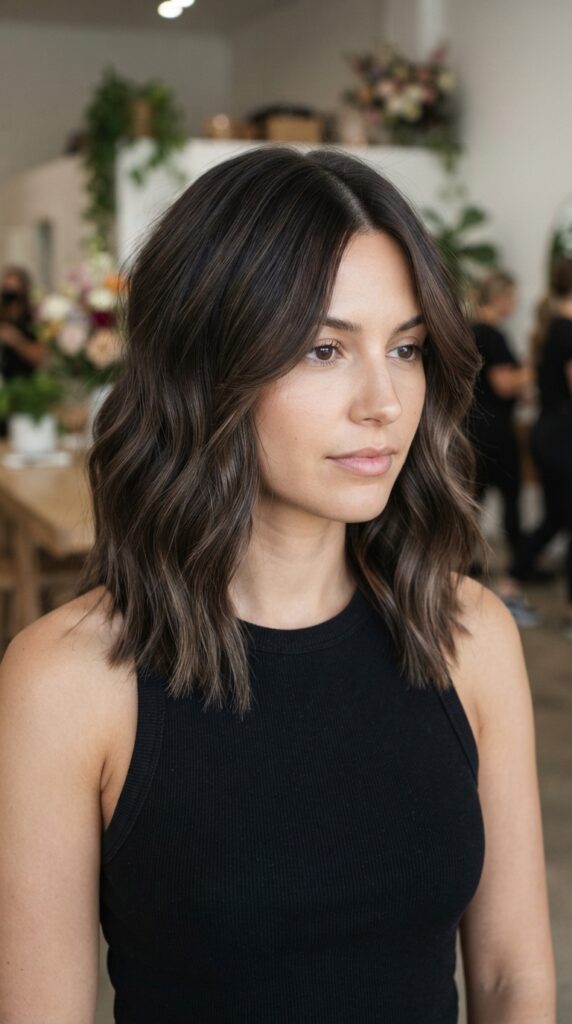
This style is deliberately lightweight with just enough feathered layering to stop the shape from reading as one solid block. Silver highlights are blended to mimic natural graying so regrowth stays forgiving rather than obvious. Flipping the head upside down to mist under-layers with a lightweight salt spray then flipping back and finger-combing is the entire morning routine needed.
Platinum Feathered Side Sweep
Feathered layers sit mainly at the sides here slightly widening the silhouette to balance a longer face shape. A cool platinum tone looks refined, and a smooth finish keeps the cut from turning overly feathery at the ends. Wrapping section ends around a brush for just a second before releasing sets an outward bend without frizz.
Cool Beige Feathered Sweep
Cool beige lowlights break up platinum tones, creating a shadow effect that gives fine hair the illusion of extra depth. Side volume at the crown is built directly into the cut, skipping the need for root-lifting spray. On humid days, pinning front pieces to one side with a small clip while they cool trains the hair to hold its sweep with zero product.
Bang-Free and Built-Up: The Clean Bob
No fringe no face-framing layers competing for density just a solid perimeter and a graduated back doing all the lifting. These cuts often look fresher for longer simply because there’s no bang line to maintain.
Softly Stacked Sunlit Bob
A light blonde with warm beige tones works like a natural volume amplifier since pale shades reflect the most light and make hair look thicker at a glance. Layers stay internal and lightly feathered, keeping the perimeter solid. A vent brush used only on the top section, pulling hair away from the scalp before cooling, sets crown lift for the entire day.
High-Shine Deep Side Part
A very deep side part pulls hair across the forehead for instant front volume while the back stays sleek. High-shine styling adds visible density since glossy hair always reads thicker than matte hair. Keeping the perimeter blunt matters here texturizing the ends would undo the optical illusion this cut relies on.
Auburn-Tipped Sleek Bob
Auburn highlights placed only on the top layer create a subtle halo effect that makes the crown look lifted. Minimal face-framing just a slight angle at the cheekbone keeps the whole silhouette clean since heavier layers can thin out the front too much on fine hair. Coloring only the surface strands anchors the shape by keeping the underneath dark and dense.
Warm Blonde Rounded Graduation
Rounded graduation makes the real difference here with the shortest layers sitting right at the occipital bone to push hair outward into a gentle dome shape. Warm blonde tones keep the look soft while light brown lowlights add just enough shadow for depth. Twisting the back section into a loose ponytail before bed preserves the roundness overnight.
Silver Ash Clean Bob
A silver-ash tone adds a modern edge on its own while the cut stays classic a clean perimeter with just enough internal layering to avoid looking heavy. A side part lifts the crown and face-framing pieces stay soft without needing a fringe. Ash lowlights at the nape ground the color and prevent silver from looking washed out.
Streaked Espresso Sleek Bob
Silver streaks running through an espresso base create a ribboned effect that reads as texture, making hair look thicker even when the cut itself is smooth. Tucked-under ends reinforce a solid line while natural crown volume comes from the graduation itself. Matching the weight layer just above the occipital bone is where fine hair needs density most.
Charcoal-Lowlight Sleek Bob
Charcoal lowlights placed at the back deepen the silhouette making the crown look lifted by contrast. Soft contouring layers around the face stay barely visible just enough to avoid a hard line. This cut works especially well on days you want to look polished in ten minutes flat using a firm paddle brush for even, controlled strokes.
Platinum Cool-Toned Sleek Bob
The rounded shape here is subtle enough to read as a straight line from the front, though the back lifts away just slightly from the side profile enough to suggest density where the eye expects flatness. Cool platinum stays bright without turning yellow. A weekly clear gloss treatment keeps the color shiny and the cuticle smooth on fine strands.
Golden Honey Graduated Bob
Graduation starts low at the nape and builds upward here, distributing weight evenly throughout. Light feathered layering on top adds movement without pulling density from the perimeter. Honey highlights placed in wide slices catch light and make hair look fuller. Wrapping the top section around large rollers for twenty minutes gives a heat-free volume boost.
Platinum Soft Feathered Bob
Though there’s no fringe here longer front sections sweep to one side mimicking a face-framing effect without any real commitment to bangs. Feathered layers keep the shape from feeling heavy while platinum with beige lowlights adds soft dimension ideal for fine hair. Directing front sections across the forehead and cooling them in place sets the sweep with no straightener needed.
What a Stacked Shape Actually Does for Fine Strands
Graduation angle matters more than most people realize. On fine hair a steep 60-degree elevation lifts weight so far from the scalp that ends turn wispy and empty. A gentler 45-degree build keeps mass tucked against the back crown instead, tricking the eye into reading density. The strongest stacked shapes stop lifting at the occipital bone rather than chasing height all the way to the crown, so the back never looks scooped out.
A classic wedge asks too much of thin strands. Aggressive removal at the nape strips away the exact weight fine hair needs in order to move naturally. Modern stacked bobs keep subtle interior length instead a soft nearly hidden shelf just above the hairline creating the illusion of thickness without a stark, shaved-under gap.
Perimeter texture can ruin the whole effect fast. When ends get point-cut too deeply the edge reads as broken rather than intentionally piece-y. Blunt internal ends are what stop the shape from turning stringy since the outline stays dense while layering happens inside rather than at the very tips.
Face shape changes the ideal stack ratio. Round faces do best when the shortest layer hits below the jaw, avoiding extra width. Square faces suit a lower weight line that softens the chin’s angle. Heart-shaped faces benefit from volume concentrated at the nape rather than the temples balancing a narrower jaw. Long faces can carry more crown height without pulling features downward, so a slightly shorter stack works well.
Most styling advice pushes teasing for volume, but a properly built cut should hold its own shape if it needs constant backcombing it likely wasn’t cut for your texture in the first place.
An “Invisible Volume” Routine That Leaves No Residue
The blow-dry pivot point that actually matters. Volume doesn’t disappear at the crown it dies the moment a round brush curls under at the parietal ridge dragging the whole shape down. A vent brush lifting the top section straight up, letting ends fall neutral with no rolling, lets the cut’s own graduation create the bend instead.
Conditioner at the root causes a slow collapse. Even lightweight formulas leave a film that gradually weighs the hair shaft down over a couple of days. Applying conditioner only from mid-lengths down, and skipping the roots entirely can lift the back of the cut by half an inch within a week.
One mousse, one powder, one cool shot. A small amount of airy mousse on damp roots only blow-dried upside down to 90% dry then flipped up with a dry texture powder along the interior graduation line followed by a 30-second cool shot while lifting with your fingers that combination sets lift without any stickiness.
A two-clip, heat-free shortcut. Sectioning a strip from crown to occipital bone, rolling it into a loose pin-curl right at the stack’s peak, and clipping it flat (plus a second curl just below) for about ten minutes while getting ready gives the back shape enough spring to hold through humidity with zero heat tools involved.
The Real Maintenance Window Most Stylists Don’t Mention
The realistic trim interval is tighter than expected. Bobs are often said to need trims every six to eight weeks but that’s too long for fine hair even an eighth of an inch of growth can blur the weight line. Booking every four to five weeks keeps the shape looking intentional rather than simply grown out.
“Dusting” and “cutting” aren’t the same request. Asking a stylist to dust the graduation line specifically without shortening the front length, signals exactly what needs refreshing internally rather than trimming the outline shorter which prevents the common mistake of over-shortening the face frame while the back collapses again within weeks.
Flatter crown profiles lose shape fastest. If your head is flatter at the crown the weight line at the back tends to slide down more quickly. Requesting a hidden “ghost layer” just beneath the surface at the highest point of the stack can buy an extra couple of weeks of upright shape.
A quick at-home shape check. Looking at your profile in a hand mirror the weight line at the back should sit just above the nape crease. If it’s dropped below that it’s time for an appointment though pulling the back into a snug low ponytail and wrapping it around itself can buy a few extra days in the meantime.
Common Mistakes Fine-Haired Women Make Before the First Snip
Bringing only a thick-hair reference photo
Showing a stylist a dense, coarse bob and asking for exactly that sets up a cut that fine hair’s physics simply can’t deliver. Bringing a second photo of what to avoid flat, stringy hair and explaining the desired volume placement with the reality of finer density lets the stylist build in interior weight from the start.
Believing more layers automatically means more volume
A stacked bob already has graduation built in so adding extra short layers on top strips away the exact weight that lets fine hair swing naturally. Lift comes from the weight line below not from slicing into the surface repeatedly.
Washing hair right before the appointment
Freshly washed hair is slippery which makes cutting lines less accurate since strands don’t fall the way they naturally would. Coming in with hair that’s a day old or has had several hours of natural oil gives a stylist more honest accurate results.
Skipping the regrowth conversation entirely
A severely angled stack can grow into an awkward silhouette on fine hair, since the back drops faster than the front. Asking directly what will happen at eight weeks of growth reveals whether a slightly softer version might be the smarter long-term choice.
A No-Wash, No-Heat “Second-Day Stack” Reset
Dry shampoo pressed, not sprayed
A small amount of powder applied to fingertips then pressed and squeezed into small sections at the crown after a brief wait absorbs oil and rebuilds grit that holds the shape more effectively than spraying it directly onto roots.
A crown pin-curl during your skincare routine
Dampening a section where graduation meets the crown rolling it into one loose pin-curl, and clipping it while finishing up other morning routines lets the hair cool into a soft wave that restores back volume without heat or a round brush.
A single silk scrunchie loop at the nape
Before bed looping a thin silk scrunchie once around just the nape section (leaving the crown and sides loose) prevents the stacked back from pressing flat against a pillow overnight without creating the crease a full top bun would leave.
Sea-salt spray on the bottom two inches only
Keeping salt spray away from the roots on second-day hair (it tends to stiffen and drag the crown down) and working it only into the lower perimeter re-separates piece-y ends without adding unwanted weight.
A cool-air root fluff each morning
Lifting the back panel with your fingers and blasting cool air for about ten seconds reactivates the memory of the original blow-dry often the fastest reset available even on a flat morning.
Frequently Asked Questions
Will a stacked bob make fine hair look even thinner?
Not when the graduation is built correctly. A well-cut stack keeps weight just above the nape while leaving the perimeter full so the shape adds bulk at the back crown rather than tapering into stringy ends.
How often does a stacked bob actually need a trim on fine hair?
Roughly every four to five weeks. Fine hair loses its crisp back line faster than thick hair does, so waiting six to eight weeks usually means losing the volume illusion well before the length noticeably changes.
Can a stacked bob still be pulled up?
Yes, but only with a loose, low gather. A small clip at the occipital bone lets the shorter stacked pieces fall naturally for an intentional undone look a tight ponytail tends to fight the graduated layers and create a messy halo instead.
What product should fine-haired women avoid with a stacked bob?
Any oil or serum applied above the ears. Even very light oils travel up the hair shaft during the day and collapse the lift the cut relies on. Shine products work best applied only to the last half-inch of the front pieces.
Does a stacked bob require daily heat styling?
No. When the cut is weighted correctly its internal structure does most of the work. A crown-clipping method during air-drying followed by a cool shot to set things in place can keep hair looking finished without daily heat.
Is the stacked bob still a relevant style in 2026?
Yes the current version leans softer, with feathered ends rather than a blunt helmet-like shelf. That shift toward a more lived-in, natural volume actually suits fine hair better than the more rigid stacked styles of past years.
How should a stacked bob be adjusted for a round face?
Keeping front length around collarbone height creates a vertical line that elongates a round face while the stack itself stays low with weight sitting just above the nape. Long faces do better with graduation peaking higher combined with short face-framing layers. Heart-shaped faces benefit from a side part and chin-length front pieces that soften the forehead while the back stack adds structure at the nape.