







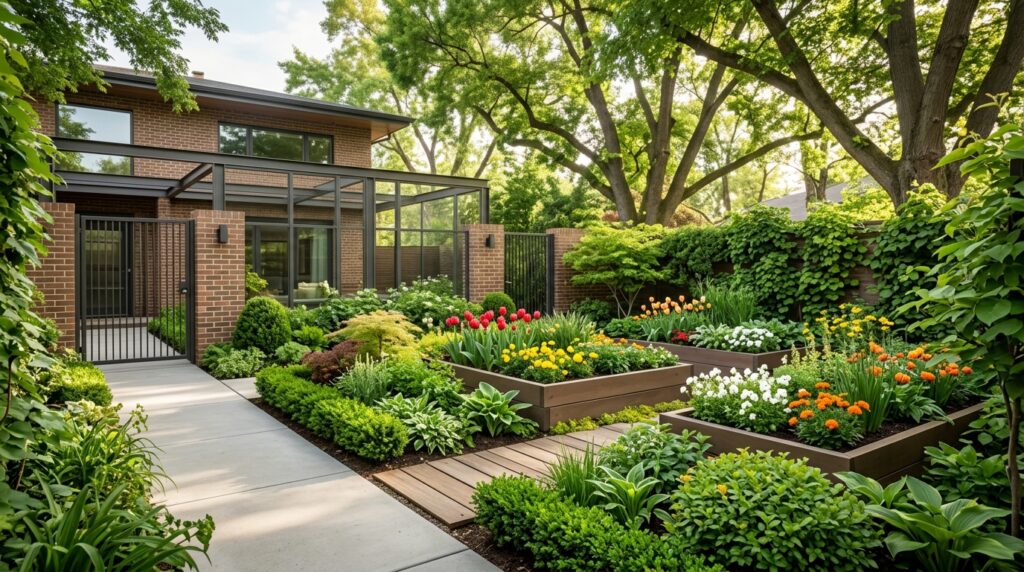
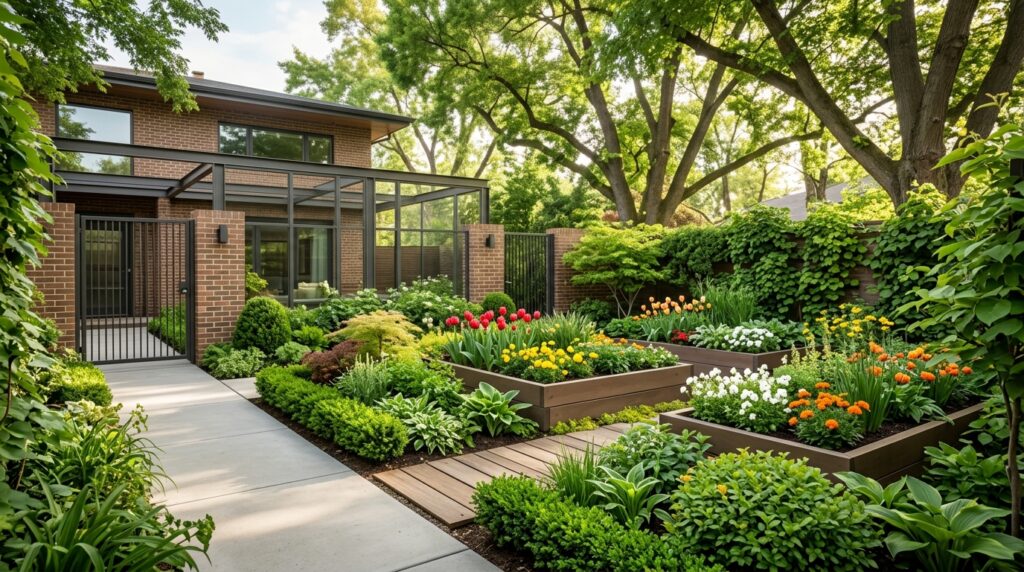
Tired of kneeling in muddy soil or battling poor drainage every planting season? A raised garden bed hands you complete control over soil quality moisture and layout no more guessing what’s happening underground. Beyond the practical perks these beds double as a design statement turning a plain backyard patio or balcony into a Pinterest worthy outdoor retreat. Whether you’re working with a few square feet or a whole backyard here are 20 raised garden bed ideas to inspire your next project in 2026.
1. Tiered Wooden Planter Towers
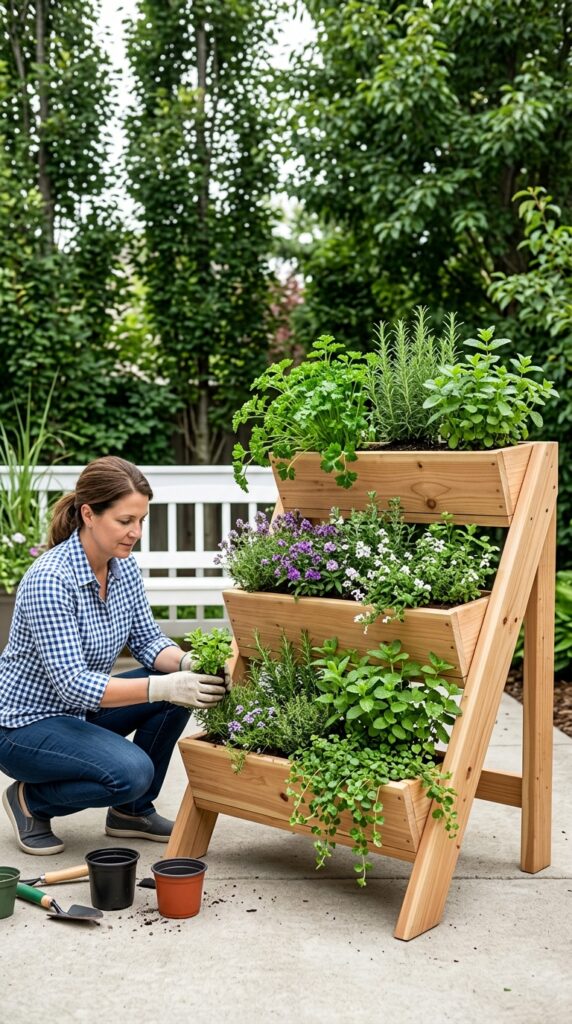
If your yard is tight on square footage think vertically instead of horizontally. Stacking wooden planter boxes in ascending tiers lets you grow more in less space while adding real architectural interest to a patio balcony or narrow side yard. Go with weather treated lumber so it holds up against rain and sun and stagger the tiers so lower plants aren’t shaded out. The result is a layered cottage style garden that feels curated rather than crowded.
2. Budget-Friendly Pallet Planters
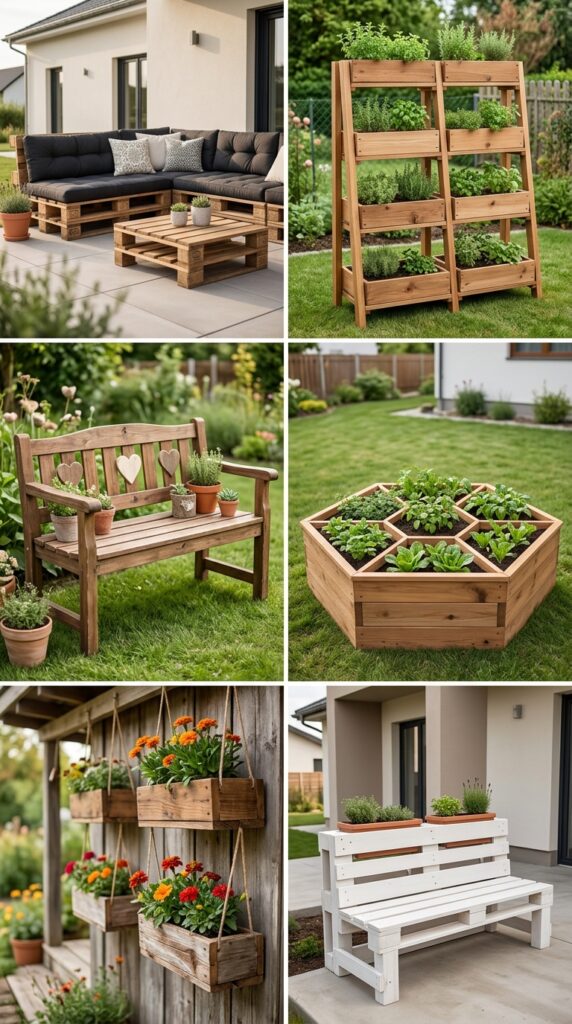
Wooden shipping pallets are one of the cheapest ways to build a surprisingly durable raised bed. Screw the joints tight for stability line the inside with a breathable fabric so soil doesn’t spill through the gaps then fill with a nutrient rich mix. A splash of exterior stain or paint instantly upgrades the look turning something headed for the landfill into a charming eco friendly home for herbs vegetables or cut flowers.
3. Galvanized Steel Trough Planters
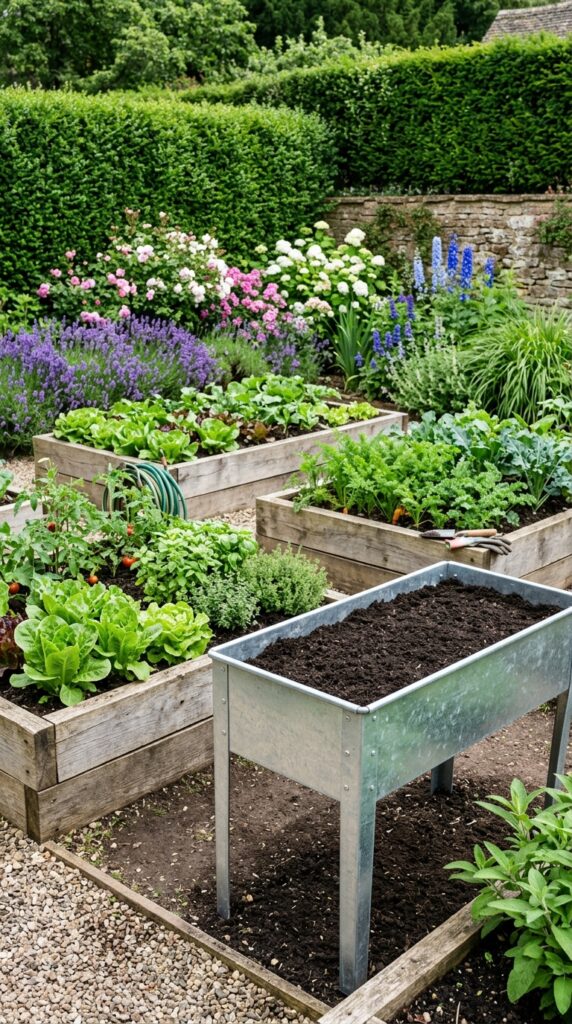
For a farmhouse meets industrial look that barely needs upkeep galvanized steel troughs are a top pick. The metal shrugs off rust and weather for years so you’re not repainting or resealing every season. Just drill a handful of drainage holes in the bottom add a base layer of gravel then top with soil. The shiny silver finish makes greenery pop giving the whole setup a clean modern farm feel.
4. Modular Cinder Block Beds
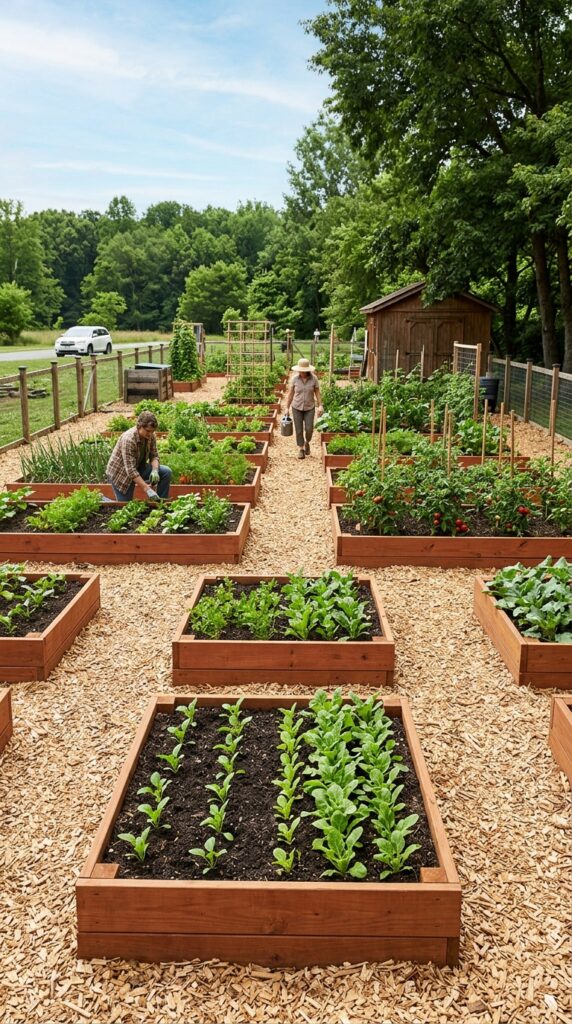
Cinder blocks might be the most underrated raised bed material out there. Arrange and stack them into virtually any shape then use the hollow centers as built in mini planting pockets for herbs or flowers. A coat of exterior paint dresses the blocks up to match your outdoor palette. Since the layout is fully modular you can expand shrink or reshape the bed whenever your garden plans change.
5. Stepped Triangular Corner Beds
Empty corners are prime real estate for a tiered triangular raised bed. Stacking progressively smaller layers creates a stair step effect that brings depth to an otherwise flat yard. Build it from timber brick or stone and you’ll also get better natural drainage at every level. It’s an especially smart way to fit trailing flowers or compact vegetables into an awkward or unused corner.
6. Soft-Curved Border Beds
Not every garden needs sharp straight lines. Lay a garden hose across your yard to sketch out flowing organic curves that echo the natural landscape then edge that shape with brick stone or timber. Curved beds bring a relaxed resort like softness to a yard and work beautifully for flower borders shrub beds or anywhere you want movement instead of rigid symmetry.
7. Timeless Brick-Edged Beds
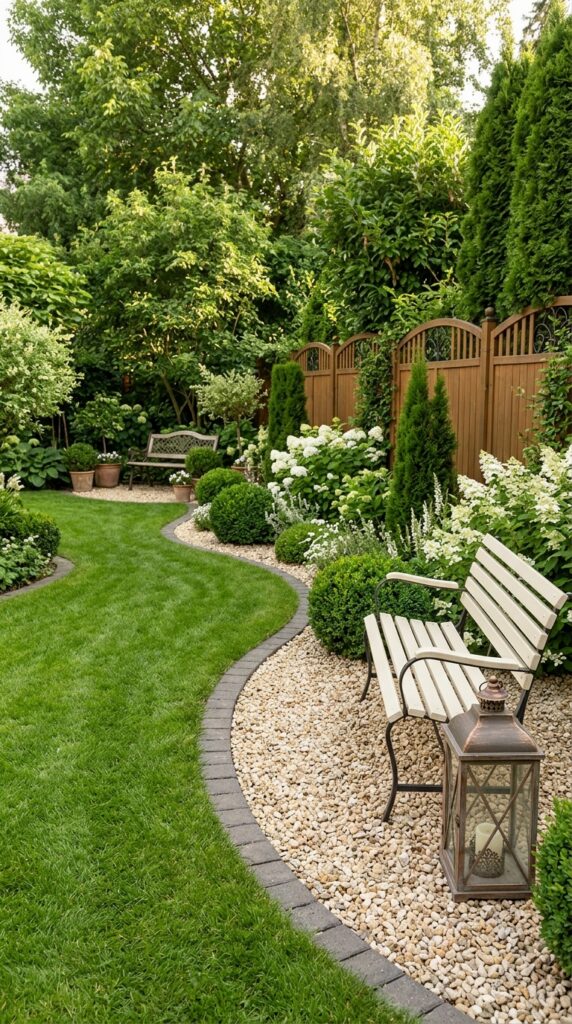
Few materials give a garden as much structure as a tight level brick border. Beyond looks brick naturally absorbs daytime heat and releases it slowly which can help extend your growing season into cooler months. Reclaimed red brick leans rustic and cottage inspired while grey or charcoal brick reads sleek and modern. Either way this classic edging keeps beds looking crisp for years.
8. Reclaimed Railway Sleeper Beds
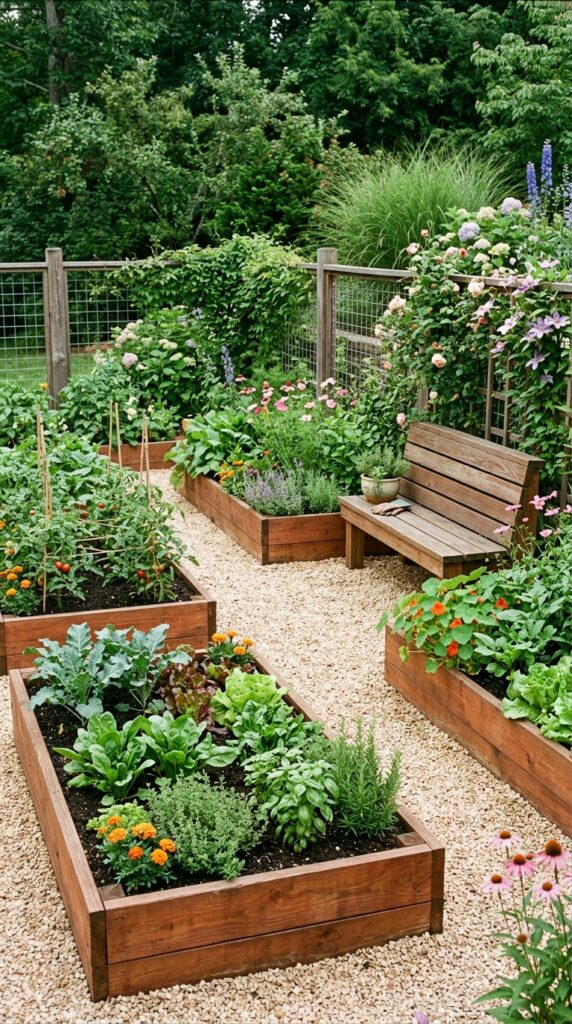
Weathered railway sleepers bring serious rustic character and can handle the elements for the long haul. Their thick chunky profile means you can stack them as high as your plants need from shallow herb boxes to deep vegetable rows. Anchor each layer with heavy duty screws or brackets for stability. The timeworn wood grain instantly adds warmth to farmhouse and cottage style landscapes.
9. Rustic Natural Log Beds
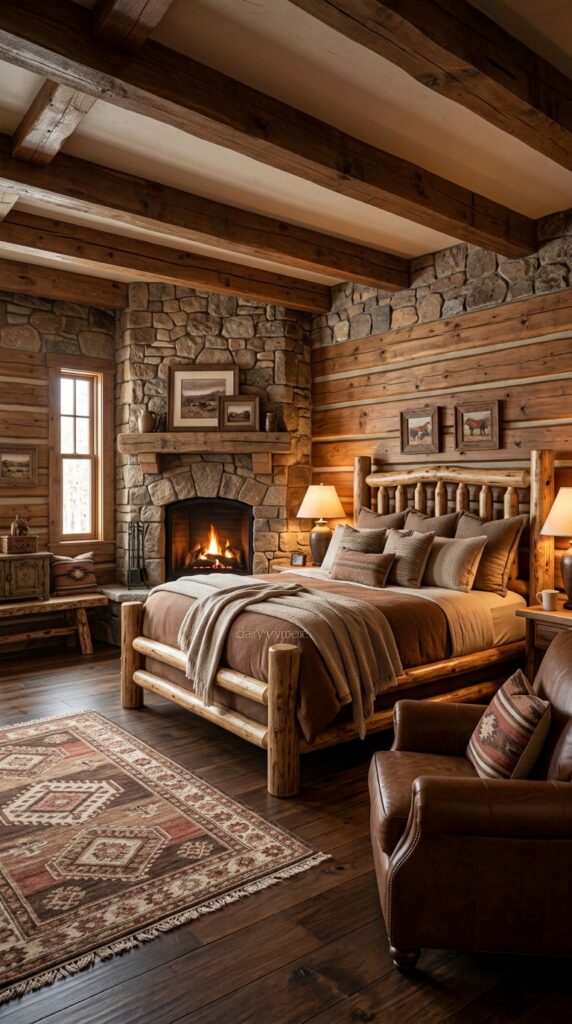
For a true cabin in the woods feel skip milled lumber and frame your beds with unmilled natural logs instead. Arrange them into solid borders then seal the wood with a weather resistant coating to slow decay and keep the color fresh. It’s a relaxed low fuss style that works especially well on countryside properties blending into the landscape rather than standing apart from it.
10. Vintage Wine Crate Planters
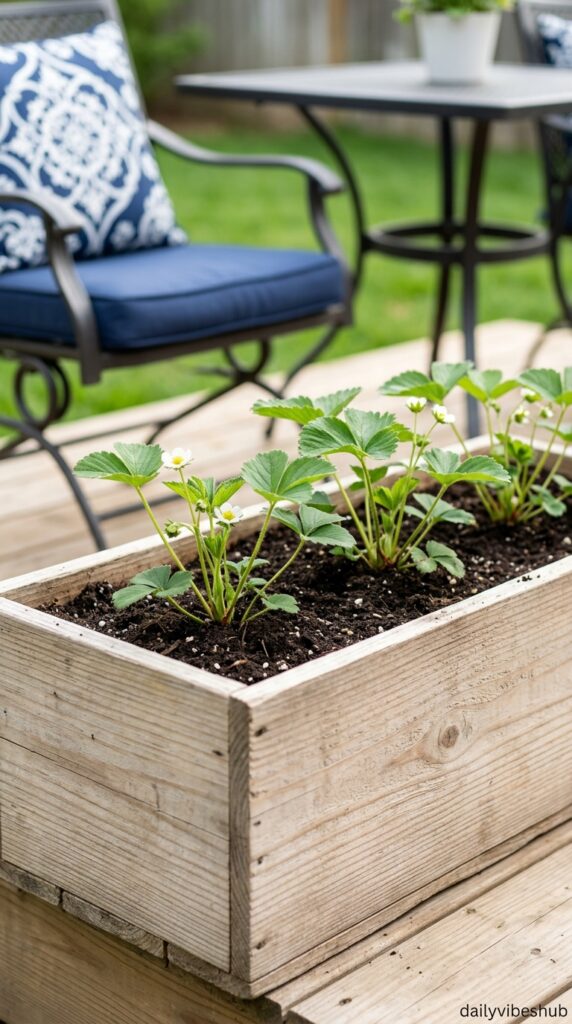
Wooden wine crates make some of the most charming small scale planters around perfect for herbs succulents or compact annuals. Line the inside with landscape fabric to keep soil contained and don’t forget drainage holes in the base to prevent waterlogging. Leave the wood bare for a rustic look or paint the crates in playful colors for a pop of personality on a patio or windowsill.
11. Corrugated Metal and Wood Combo Beds
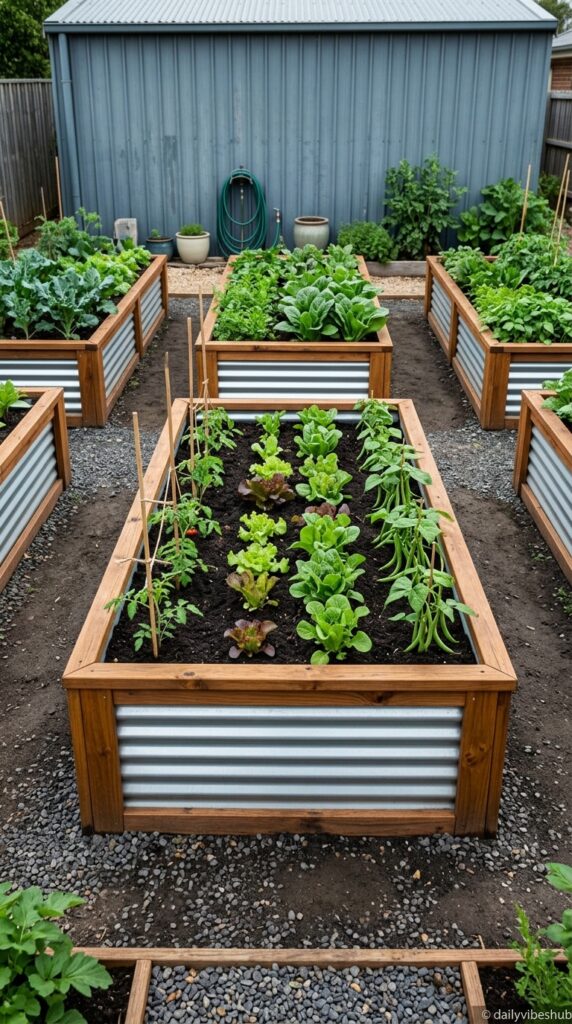
For a fresh take that blends farmhouse warmth with industrial edge pair corrugated metal panels with a simple wooden frame. The metal adds a textured contemporary line while the timber keeps the overall look grounded and inviting. It’s a striking on trend combination that suits modern backyards rooftop gardens and anywhere you want a raised bed with real visual punch.
12. Sculptural Molded Concrete Beds
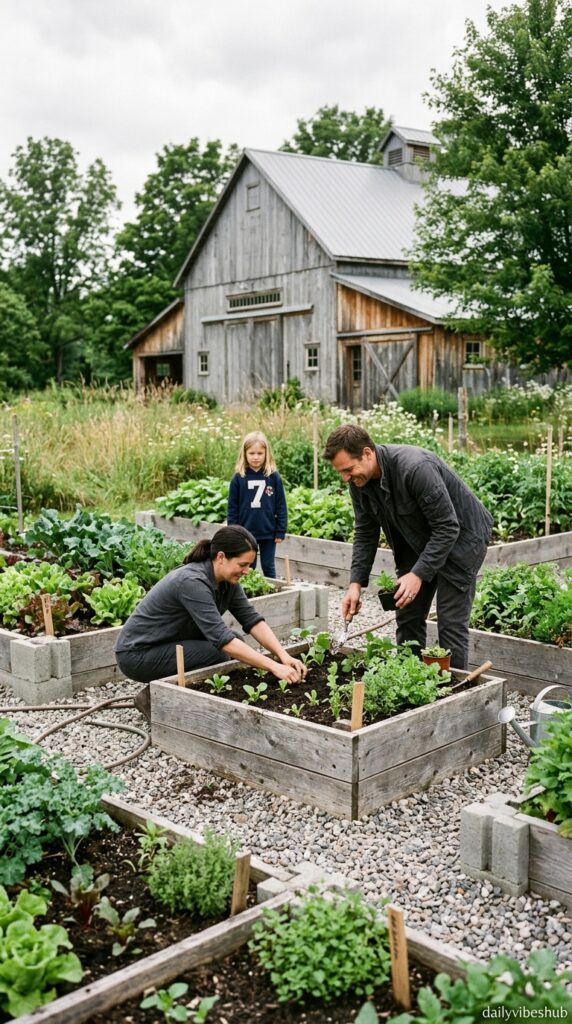
Concrete raised beds are about as permanent as garden features get built to last for decades with almost no maintenance. Pour the concrete into custom molds to dial in the exact height and shape you want, then stain or paint the surface once cured for extra style. Pressing mosaic tiles into the wet concrete before it sets is an easy way to turn a functional bed into a statement piece.
13. Honeycomb Hexagonal Bed Cluster
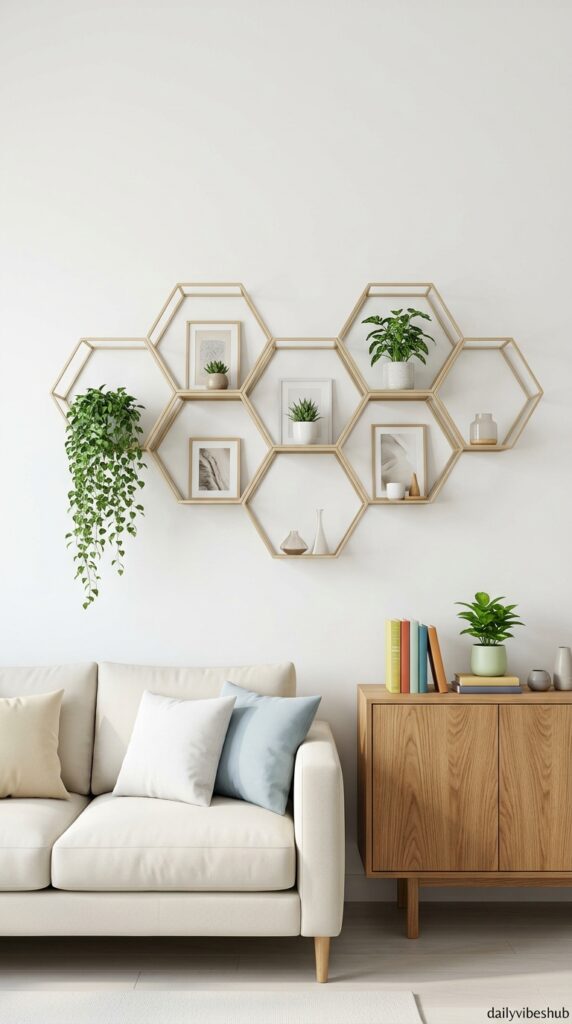
Group several hexagonal beds together and you get a striking honeycomb style layout that makes efficient use of every inch of space. Build individual beds from durable wood or composite decking then fit them tightly edge to edge so the geometric pattern reads clearly especially from above. It’s a design that photographs beautifully and works as a real centerpiece for a modern backyard or courtyard.
14. Airy Bamboo Pole Beds
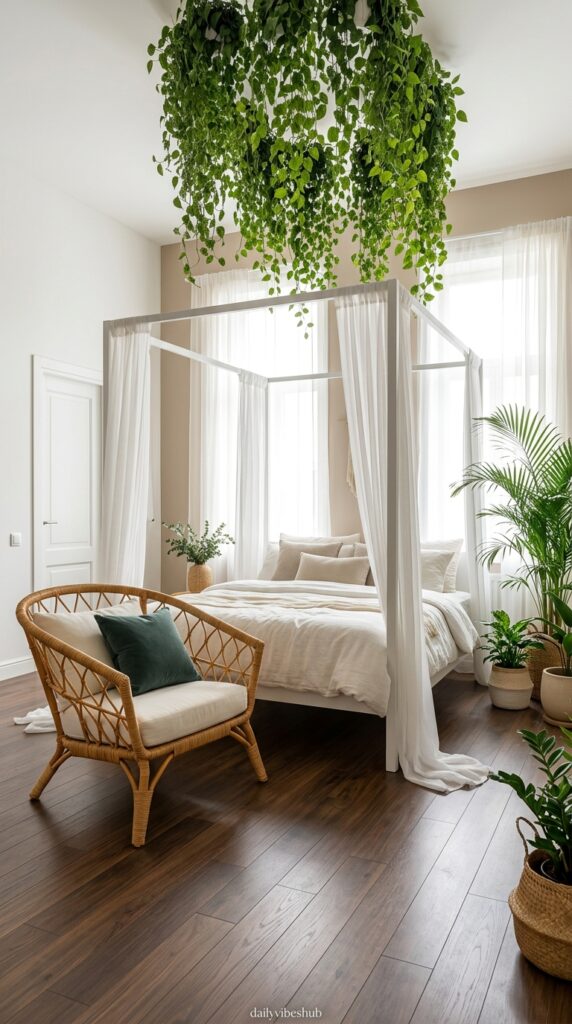
Bamboo poles lashed together with sturdy twine or wire create a light breathable raised bed with an unmistakable Asian garden feel. Because bamboo is naturally lightweight these beds are easy to build move and reconfigure whenever you rearrange the yard. Fill them with lush ferns or bright blooms for a calm spa like corner that brings texture without feeling heavy or overbuilt.
15. Vertical Gutter Wall Planters
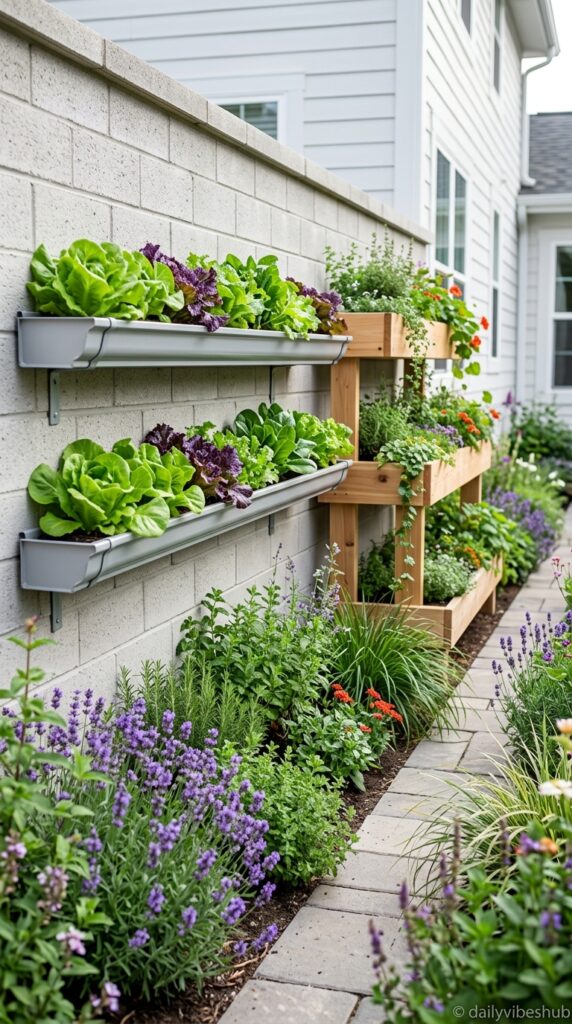
Old rain gutters get a whole new purpose as space saving vertical planters. Cut them to the length you need drill drainage holes along the bottom then mount the sections to a fence or wall using heavy duty brackets. It’s an ideal setup for herbs trailing flowers or leafy greens when floor space is limited letting balconies patios and narrow side yards go green without eating up walking room.
16. Customizable Metal Grid Beds
Modular metal grid panels make it easy to build a raised bed you can reconfigure again and again. Pick weather resistant grids and snap them into whatever shape suits the space whether that’s a single compact planter or a sprawling multi section layout. The industrial finish contrasts beautifully against soft greenery giving patios and modern backyards a fresh contemporary edge.
17. Old-World Dry Stone Beds
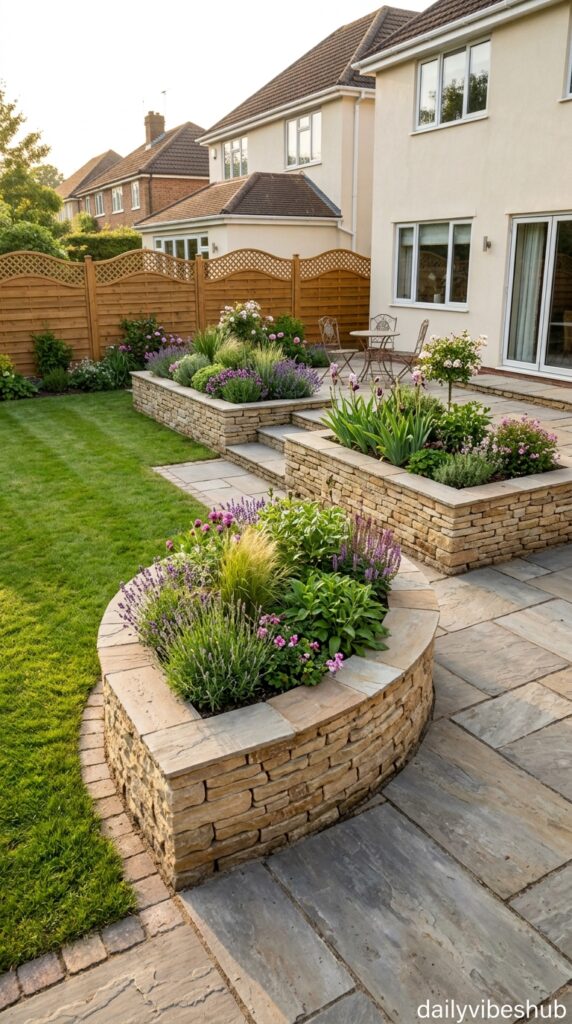
Stacked natural stone brings a timeless old world elegance to raised bed gardening. Choose flat evenly sized stones that stack securely without needing mortar for an authentic dry stone look then fill the enclosed space with rich well draining soil. Beyond the visual appeal stone naturally helps regulate soil temperature and moisture making this style a beautiful fit for formal gardens and relaxed countryside yards alike.
18. Portable Fabric Grow Bags
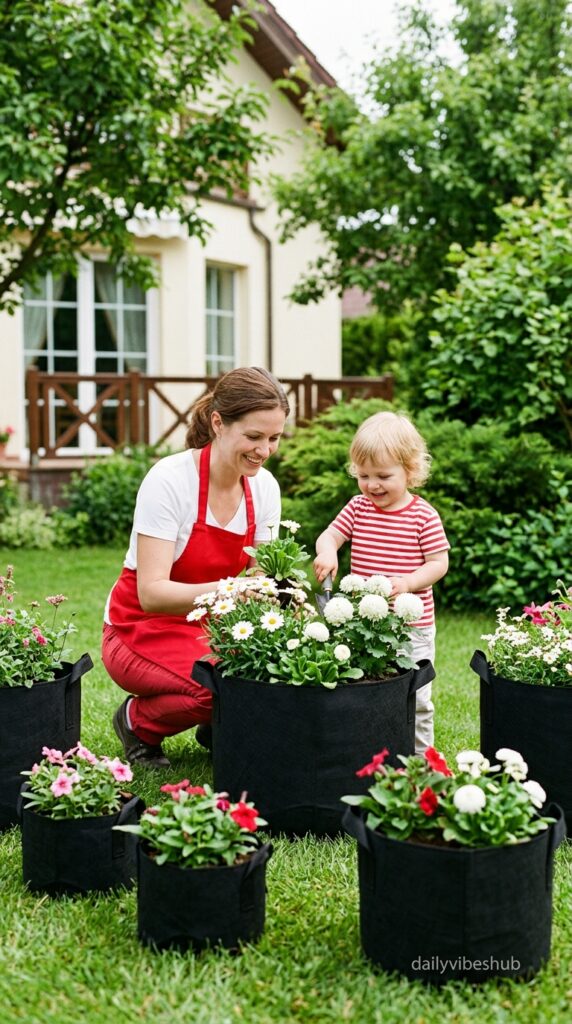
Fabric grow bags are one of the most flexible raised bed alternatives out there especially if you’re renting or working with limited space. The breathable fabric promotes healthier root growth and helps prevent the overheating that solid containers can trap. Since the bags are lightweight you can easily shift them to chase better sunlight or completely rework your layout from one season to the next.
19. Upcycled Bathtub Garden Bed
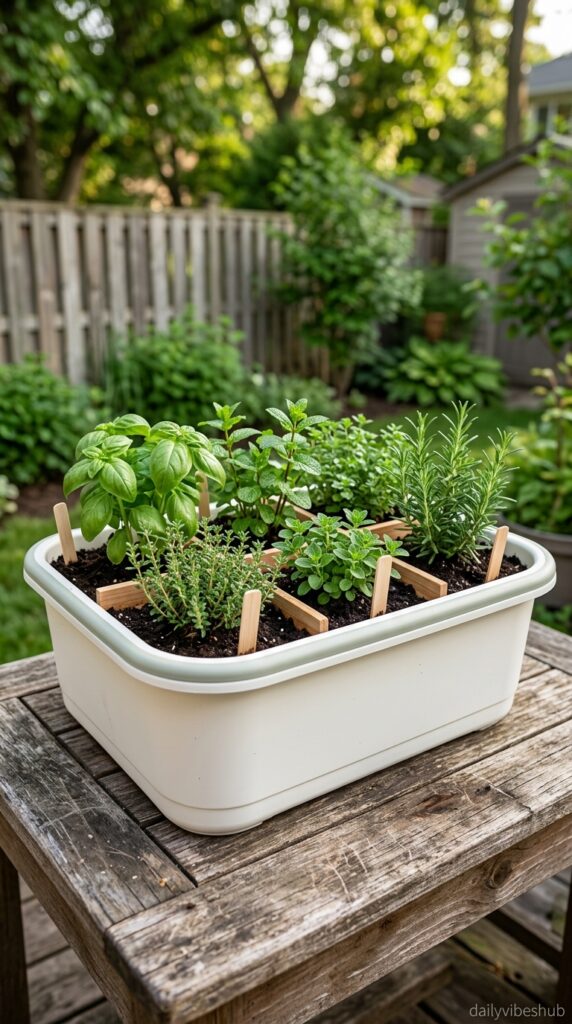
An old clawfoot or standard bathtub makes for a surprisingly roomy raised bed ideal for deep rooted plants that need extra space below the surface. Drill drainage holes in the base layer in some gravel then top it off with quality soil. The oversized quirky shape instantly becomes a conversation starter in the garden mixing vintage charm with genuinely useful growing space for vegetables or statement blooms.
20. Rolling Wheelbarrow Planter
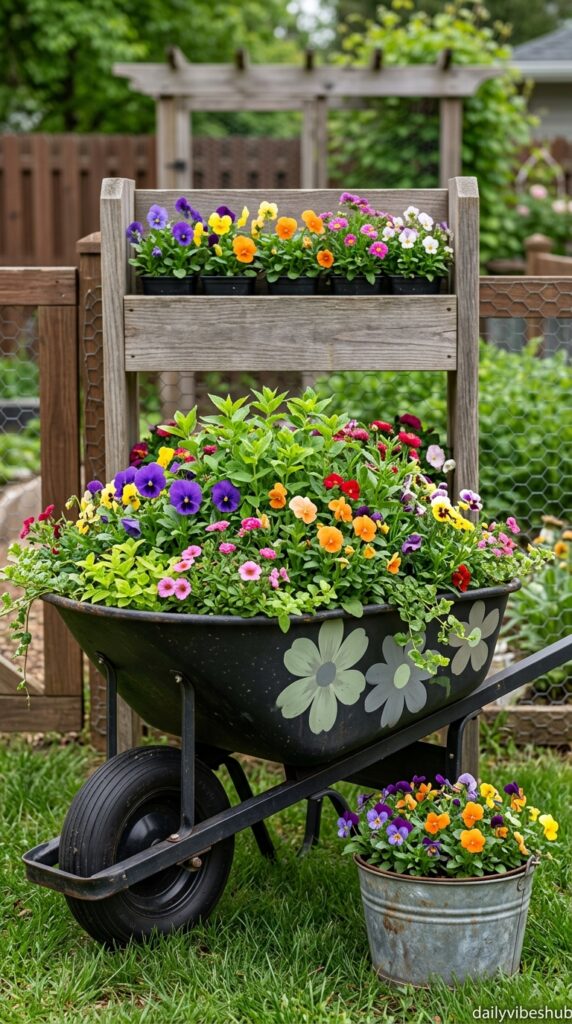
A retired wheelbarrow can become a fun mobile mini garden with just a good scrub and a few drainage holes drilled into the base. Fill it with nutrient-rich soil and plant herbs flowers or compact vegetables. Since it rolls, you can wheel it around the yard throughout the day or across seasons to chase the best sunlight giving your plants ideal light with barely any extra effort.
FAQ: Raised Garden Bed Ideas
What is the best material for a raised garden bed?
It depends on your priorities. Wood (like cedar or treated lumber) is budget friendly and easy to work with galvanized steel and concrete last the longest with minimal upkeep and natural stone or brick offer the best long-term durability with a timeless look.
How deep should a raised garden bed be?
Most vegetables and flowers thrive in beds that are at least 8 to 12 inches deep though deep rooted plants like tomatoes carrots or squash do better with 12 to 18 inches of soil depth.
Do raised garden beds need drainage holes?
Yes almost always. Without proper drainage water can pool at the bottom of the bed and lead to root rot. Drilling holes in the base or adding a gravel layer before the soil helps excess water escape.
Can I build a raised garden bed on a budget?
Absolutely. Repurposed materials like pallets cinder blocks wine crates gutters and old wheelbarrows all make sturdy low cost raised beds without sacrificing style.
What can I plant in a raised garden bed?
Raised beds work well for almost anything including vegetables herbs cut flowers and even small fruiting plants since you can customize the soil mix specifically for what you’re growing.