




Scroll through any hair inspiration feed lately and two short haircuts keep popping up everywhere. One carries an easy, off-duty Parisian energy. The other looks glossy and dramatic almost cinematic like it belongs on an Italian film set. Both fall under the bob umbrella both sit between the jaw and shoulders and both are having a serious style moment right now. Sit in the salon chair though and the resemblance ends there.
Picking between these two isn’t as easy as screenshotting a photo you like on Pinterest. The real decision comes down to your natural texture how much time you actually want to spend styling each morning and the overall vibe you’re going for. Pick the wrong one and you’ll spend months fighting your own hair. Pick the right one and it quietly becomes one less thing to think about every day.
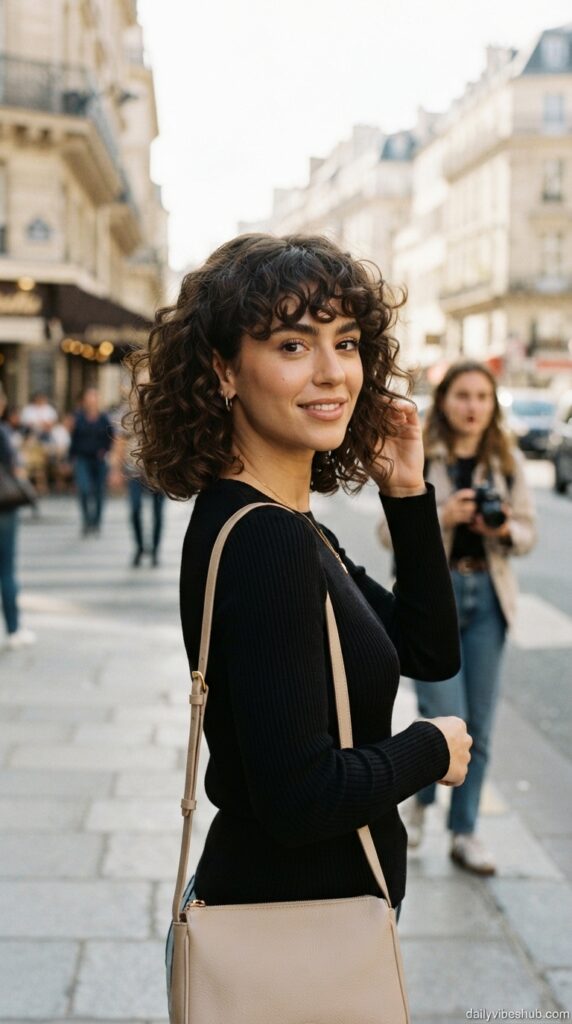
What Exactly Is a French Bob?

A French bob never falls past the jawline typically landing somewhere between cheekbone height and just beneath the chin. The cut relies on sharp blunt lines instead of internal layering which is exactly why it performs so well on fine or thin hair. Without layers thinning things out the hair reads noticeably thicker denser and more solid even on strands that don’t have much natural body to begin with.
Bangs are practically part of the deal with this cut. Whether it shows up as a wispy fringe soft curtain bangs or a blunt micro fringe some version of bangs almost always comes paired with the French bob. The fringe exists to frame the face in a casual unstudied way he same way a well chosen outfit can look effortlessly thrown together even when every piece was actually planned.
The style traces its roots back to the Flapper era of the 1920s when women first cut their hair short as a direct rejection of rigid old fashioned beauty standards. That same unbothered quietly rebellious energy still runs straight through the cut today. A French bob was never meant to look overly done. It’s meant to move naturally and feel like a genuine part of the person wearing it not a performance for anyone else.
Upkeep is where this cut really shines since it’s genuinely one of the lowest maintenance short haircuts around. Letting it fully air dry is usually enough on its own. A quick spritz of texturizing spray a shake of the head and maybe one pass of a flat iron through the front pieces covers the entire routine most mornings start to finish without much extra thought required.
Most stylists agree on one unwritten rule with this cut the moment it starts looking too perfect it stops working the way it’s supposed to. Undone really is the entire point here. Trying to smooth away every flyaway or force each strand into place tends to strip the cut of exactly the relaxed lived in energy that made people fall for it in the first place.
What Exactly Is an Italian Bob?
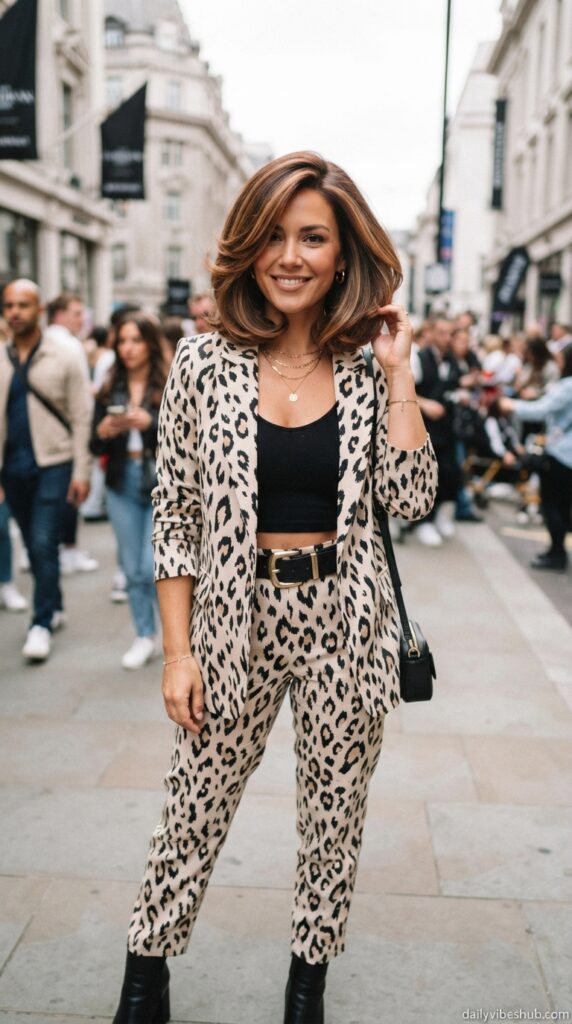
The Italian bob runs noticeably longer than its French counterpart typically landing anywhere from chin length down to right where it grazes the shoulders. The outer perimeter still stays cut blunt but there’s considerably more happening underneath the surface. Internal layering is what builds that round bouncy shape everyone associates with this particular style giving it far more visible movement than the flatter French version.
This isn’t a cut designed to blend quietly into the background. It’s built specifically to be noticed the moment you walk into a room. Think of the glossy glamorous energy tied to old Hollywood adjacent icons like Sophia Loren or Monica Bellucci polished and dramatic in a way the French bob deliberately avoids by design. Every element of this cut leans into that cinematic quality on purpose.
Volume drives absolutely everything about this particular style. Thick, weighty ends paired with genuine body and constant movement aren’t optional extras here they’re the whole point of choosing this cut in the first place. You don’t even need naturally thick strands to pull it off successfully since a properly cut one-length shape can make even fine hair read as noticeably denser and fuller than it actually is.
Rather than a middle part this cut usually leans toward a side part or a deep part instead. While it technically can be worn with completely natural texture on a lazy day it is really designed from the ground up around one specific look: a big voluminous glamorous blowout that shows off every bit of that internal layering work and keeps the whole shape looking full.
How the Two Cuts Actually Differ
Length
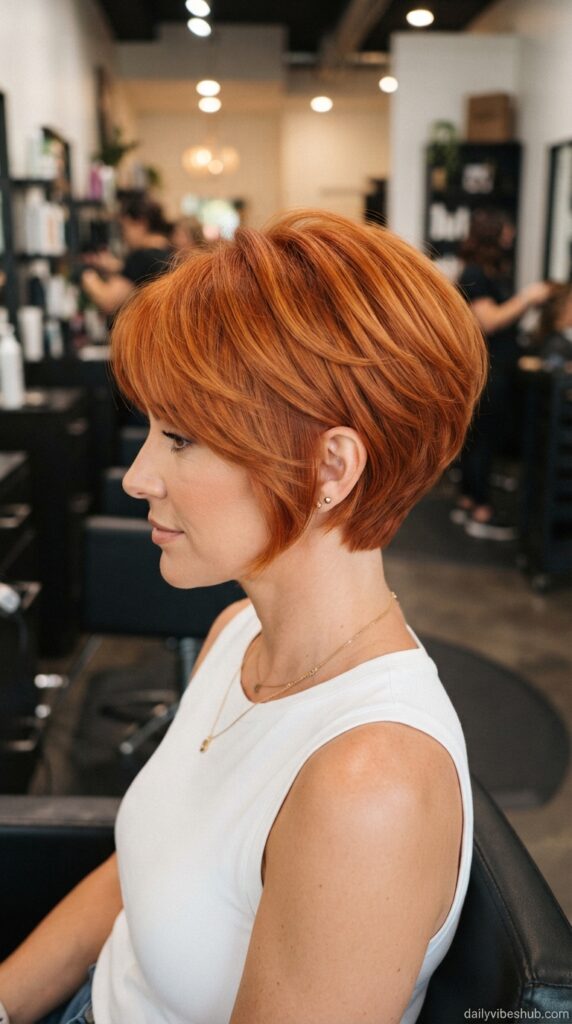
Length is the most obvious difference between the two. The French bob stays at or above the jawline full stop. The Italian bob extends noticeably further reaching anywhere from chin length down to the shoulders long enough in fact to be pulled into a half up style or a tiny ponytail on a busy day something a true French bob simply doesn’t have the length to manage.
Cutting Method
The cutting method behind each style couldn’t be more different either. French bobs rely on clean blunt lines with minimal to no internal layering involved at all. Italian bobs use internal layering to shape and build volume while still keeping that outer edge thick and blunt which is exactly what creates its signature round bouncy silhouette instead of a flatter more graphic shape you’d see elsewhere.
Fringe
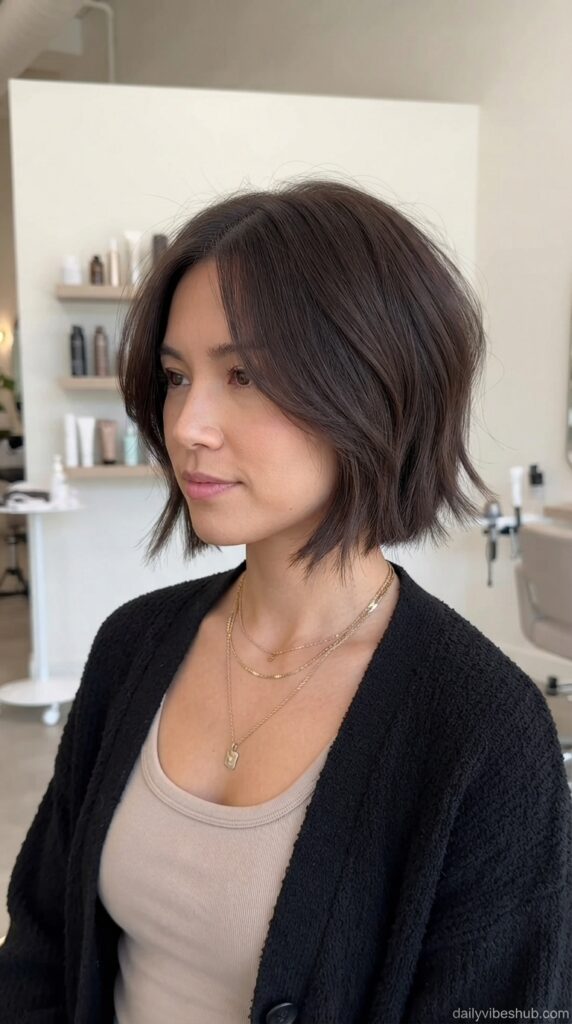
Fringe tells a similar story between the two cuts. Bangs are practically a given with the French bob showing up in some form almost every single time it’s cut. The Italian bob on the other hand usually skips bangs entirely relying instead on a deep side part and the cut’s own natural angle to frame the face without needing any fringe at all.
Volume
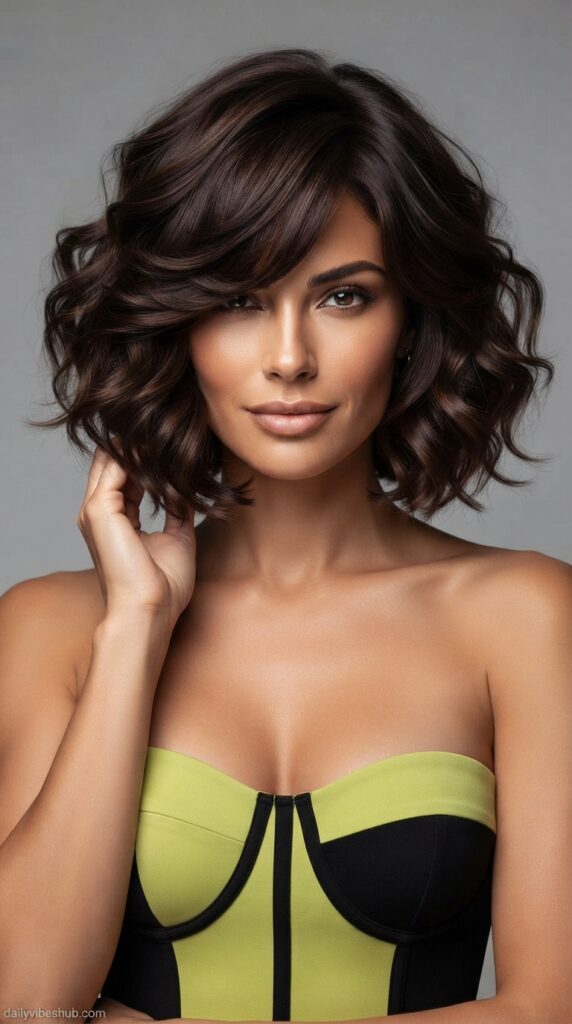
Volume plays out completely differently across the two shapes as well. French bobs stay purposely flat at the root with all their fullness coming strictly from that blunt heavy perimeter alone. Italian bobs by contrast are voluminous from root to end with bounce and movement acting as the entire defining feature of the cut rather than a nice to have finishing touch.
Styling Commitment
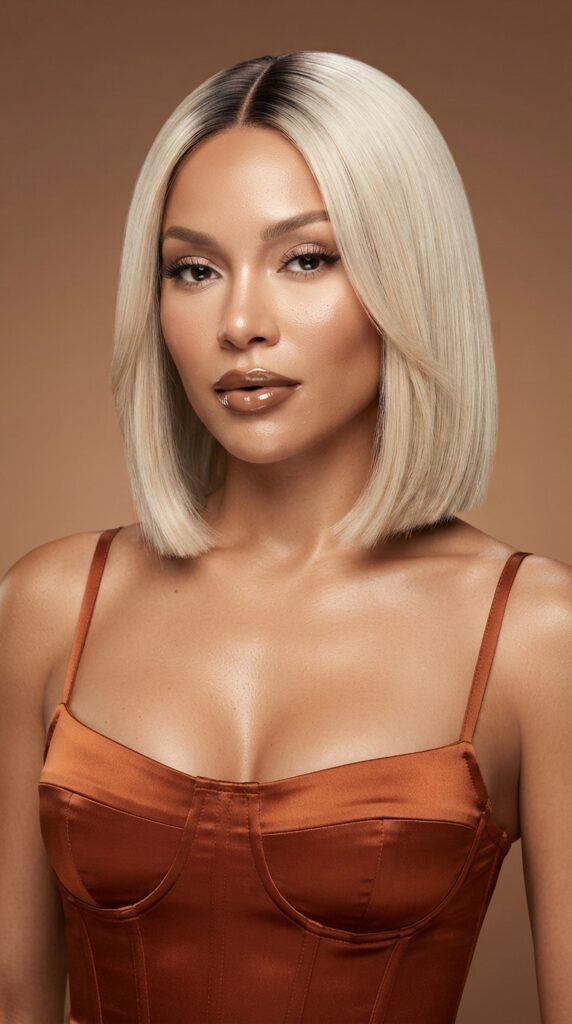
Styling commitment is where these two cuts really part ways from one another. A French bob can be air dried and left completely as is with almost zero morning effort. An Italian bob on the other hand usually needs a proper blowout or a round brush session to bring its shape fully to life. One is genuinely quick and low effort while the other takes real dedicated time.
Face Shape
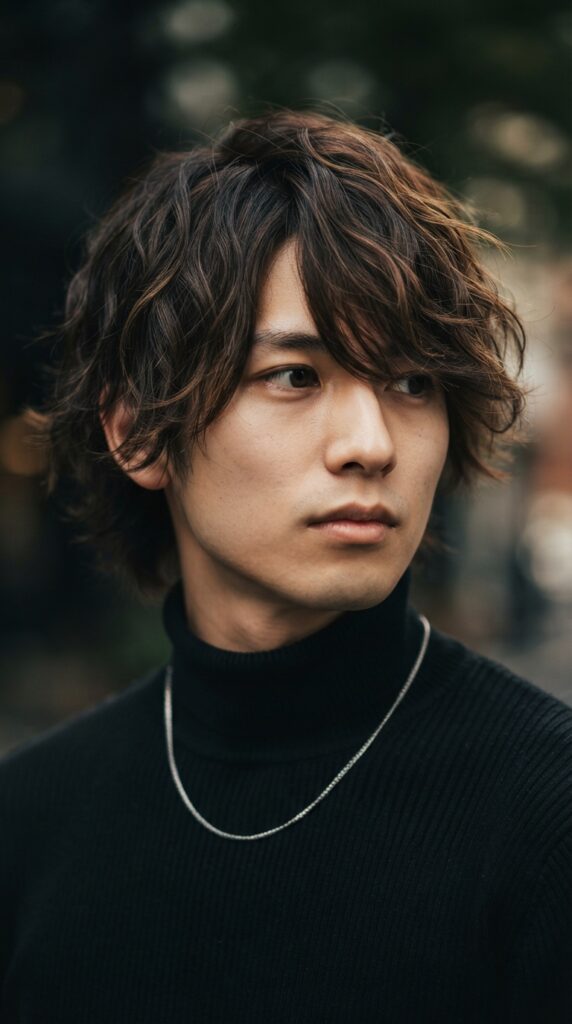
Face shape compatibility differs too though it matters less than most people tend to assume. French bobs tend to widen the jaw area slightly which flatters longer heart shaped or oval faces particularly well. Italian bobs soften square jawlines nicely and the added length helps visually elongate rounder faces making both cuts genuinely adaptable once a skilled stylist customizes the shape to fit you.
Overall Feel

Overall feel might be the biggest difference of all between these two bobs. The French bob carries a playful slightly rebellious attitude that never takes itself too seriously at all. The Italian bob feels glamorous and cinematic instead built for a completely different mood entirely. These aren’t competing versions of one single idea they’re genuinely two distinct hairstyles built around two very different personalities.
Two Honest Questions to Ask Before You Book
What does your hair texture actually look like day to day?
Fine straight hair usually looks fuller and thicker in a French bob thanks to its blunt cutting style. Thicker wavy or coarse hair tends to work better with an Italian bob since the internal layers keep volume shaped instead of letting it puff into a triangle. If your hair is curly or coily either cut can work provided your stylist genuinely understands how your curl pattern behaves once it’s cut.
How much styling time are you realistically willing to give it?
Answer this honestly not based on how you wish you styled your hair. If your goal is close to zero daily effort the French bob is the obvious pick. If you don’t mind spending time with a round brush and blow dryer or you’ve been looking for a reason to finally invest in one the Italian bob will reward that effort with a much bigger visual payoff every single morning.
Face shape does matter but genuinely less than most people assume since a skilled stylist can tailor either cut to flatter almost anyone who sits in the chair. Your natural texture and your realistic day to day styling habits tend to be the bigger deciding factors in the end far more than which celebrity photo first caught your eye on social media.
Final Thoughts
Whichever bob you land on give it a full styling cycle before deciding it isn’t working for you. Short haircuts take a little time to reveal their true shape and the first couple of weeks often feel a bit off no matter which version you chose. Most bobs really hit their stride around the first trim rather than the first wash so patience genuinely pays off here.
Frequently Asked Questions
Which is lower maintenance, a French bob or an Italian bob?
The French bob wins on maintenance by a wide margin since it’s designed to be air-dried and left slightly undone. The Italian bob typically needs a blowout or round brush styling session to bring its signature volume and shape fully to life each time.
Is a French bob or an Italian bob better for fine hair?
Fine straight hair typically looks fuller in a French bob because of its blunt layer free cutting style. That said a well executed one length Italian bob can also create a convincing illusion of thicker denser hair once it’s properly styled with a round brush.
Do French bobs always come with bangs?
Not always but fringe is closely tied to the style overall. Wispy curtain or blunt micro-bangs are the most common pairings since they help frame the face in that natural slightly undone way the French bob is known for.
Can an Italian bob work without a full blowout?
Yes it can absolutely be worn with natural texture on a lower effort day. It just won’t have that same signature volume and bounce without some styling effort behind it typically achieved through a round brush or a diffuser attachment.
Is a French bob or Italian bob more flattering for a round face?
The Italian bob generally flatters round faces a bit more since the added length helps visually elongate the face rather than widening it further which is a common effect of the shorter blunter French bob shape.
How long should I wait before deciding a new bob isn’t for me?
Give it at least a couple of weeks before making any final judgment. Bobs often look slightly different right after the initial cut and tend to settle into their real intended shape closer to the first follow up trim appointment.